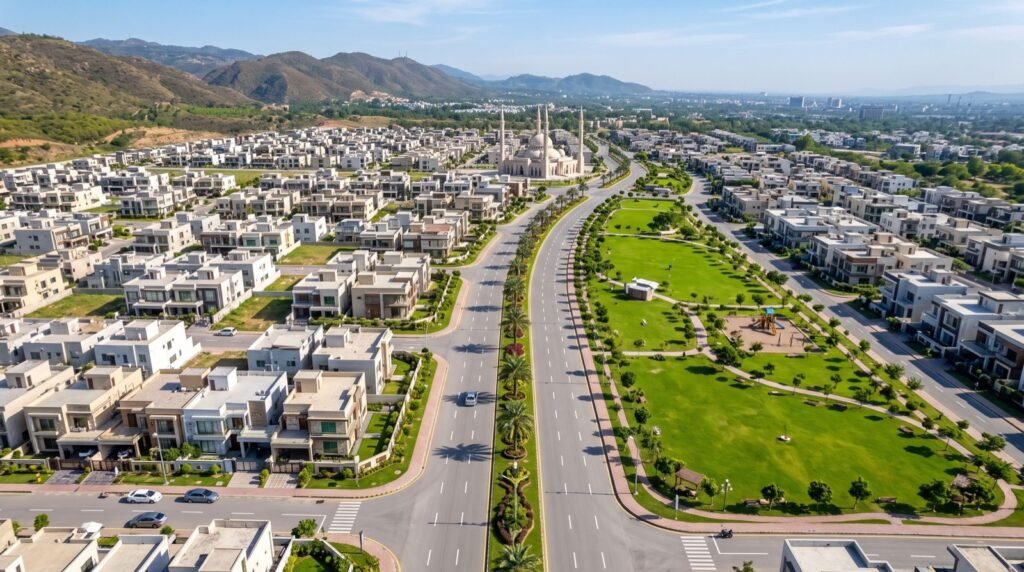
Rawalpindi has always lived in the shadow of its more polished twin, yet anyone watching the property market closely knows that the garrison city is quietly writing its own success story. As the capital’s developed sectors fill up and prices there climb out of reach for ordinary buyers, families and investors are looking across the boundary toward Rawalpindi’s newer housing schemes, where land is still attainable and the growth curve is only beginning to steepen.
For a buyer weighing that move, the decisions are practical rather than glamorous. Which plot size fits a real family budget? What does it take to build once you own the land? And how do you tell a scheme that will genuinely deliver from one that simply markets well? This article works through those questions with the everyday buyer in mind.
Why Rawalpindi Deserves a Fresh Look
The old assumption was that serious property money belonged on the Islamabad side of the divide. That assumption is aging fast. Improved road links, new interchanges feeding into the motorway network, and the steady spread of commercial activity have pulled Rawalpindi’s better schemes into direct competition with their capital-side neighbors, often at a fraction of the price.
Lower entry prices matter enormously for the people who actually build and live in these communities. A young family priced out of central Islamabad can find a plot in a well-planned Rawalpindi scheme, build over time, and still enjoy fast access to the capital’s workplaces and markets. That combination of affordability and connectivity is what keeps demand rising.
Choosing a Scheme You Can Trust
Reputation in this market is earned slowly and lost quickly. The schemes worth your money are the ones that have cleared their approvals, delivered possession on earlier phases, and attracted real residents rather than a rotating crowd of file traders. Occupied houses, working street lights, and finished roads tell you more than any launch event ever could.
When a project earns a name as a contender for the Best Housing Society in Rawalpindi, that reputation should be traceable on the ground. Drive through it. Count the built homes. Talk to people who already live there. A genuinely strong scheme welcomes that scrutiny because it has nothing to hide.
The Practical Appeal of a 10 Marla Plot
Plot size is where budget meets ambition, and few sizes balance the two as neatly as the ten marla plot. Large enough to build a comfortable family home with room for a lawn and parking, yet still within reach for salaried buyers and small investors, it has become the workhorse category of the mid-market.
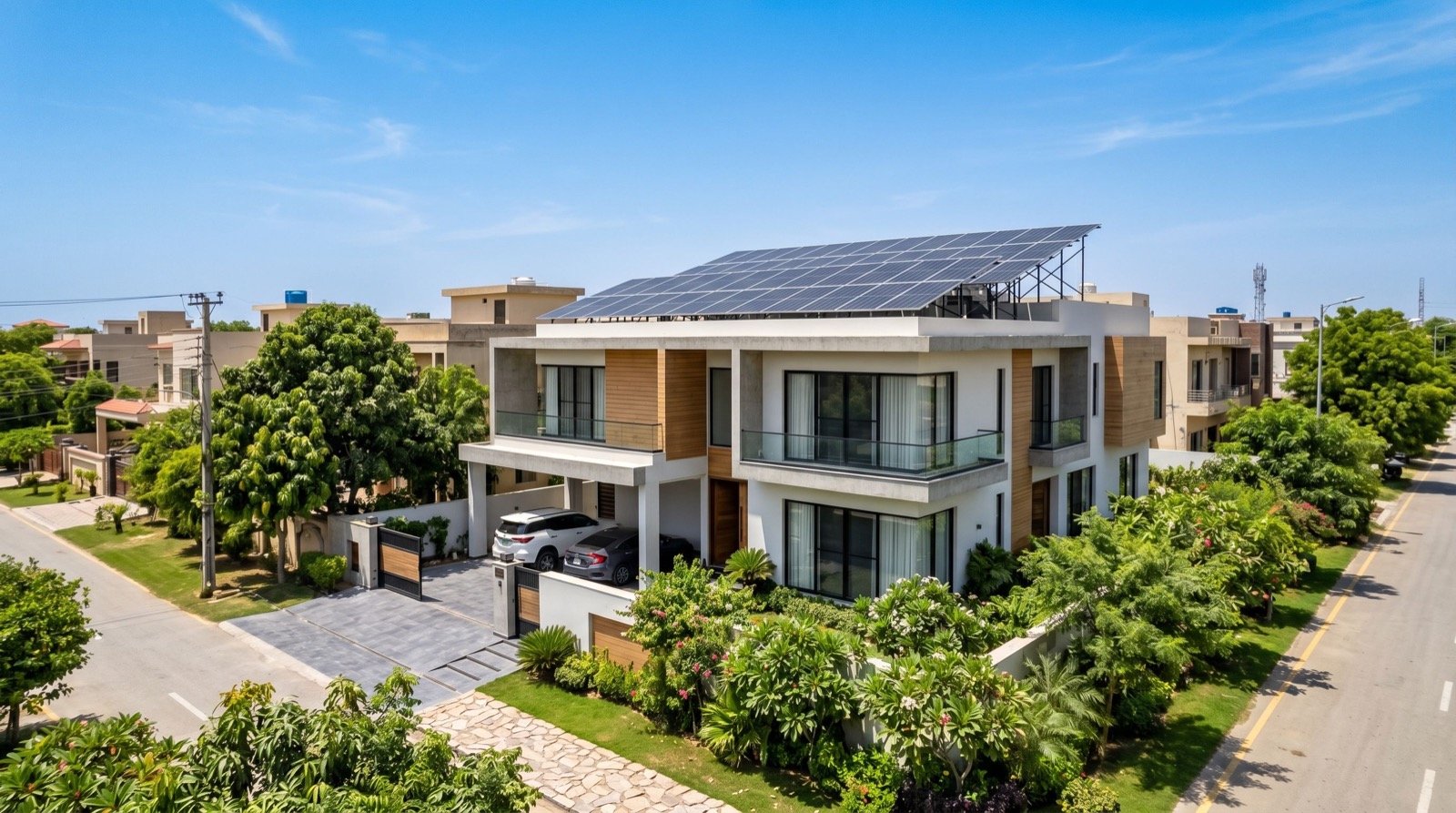
Buyers comparing options often gravitate toward 10 Marla Residential Plots because they suit both end-use and resale. A ten marla home appeals to a broad pool of future buyers, which keeps the plot liquid, while the size itself allows for a generous house without the outsized construction cost of larger categories. That versatility is exactly what makes it a safe first purchase.
Budgeting Beyond the Plot Price
One of the most common mistakes new buyers make is treating the plot price as the whole cost. It is only the beginning. Transfer fees, society development charges, and possession-related dues all sit on top of the headline number, and construction itself is a separate, larger project that unfolds over months or years.
Build a full budget before you commit to anything. Estimate not just what the land costs today but what it will cost to bring utilities to it, to complete the transfer cleanly, and to eventually raise a structure on it. A plot you can afford to buy but never afford to build sits frozen, contributing nothing but paperwork to your net worth.
From Empty Plot to Finished Home
Turning bare land into a livable home is a journey with its own rhythm. First comes possession and demarcation, then the utility connections, then the slow choreography of design, approval, and construction. Each stage has its own timeline and its own costs, and rushing any of them tends to create expensive problems later.
Homeowners who navigate this process smoothly usually surround themselves with dependable specialists who understand both the paperwork and the construction realities of the local schemes. Good advisors save money not by finding secret discounts but by helping you avoid the costly missteps that first-time builders almost always make.
Verifying Before You Pay
No purchase in this market should close on trust alone. The verification steps are simple, they cost you nothing but time, and they protect you from the handful of problems that turn a happy purchase into a legal headache. Do them yourself rather than delegating them entirely to the person selling to you.
- Confirm the scheme holds valid approvals and a sanctioned layout from the relevant authority.
- Physically match the plot number and boundaries to the official map on site.
- Clear all outstanding dues and transfer charges with the society office directly.
- Check possession status so you know when you can actually build.
- Review the developer’s completed phases and their real possession timelines.
- Budget for construction and utilities, not just the plot price.
Thinking Like an Owner, Not a Trader
The file-trading culture that surrounds new schemes can distort a first-time buyer’s judgment. Traders chase short-term margins and treat plots as tickets to be flipped. An owner thinks differently, choosing a plot for the home it will eventually hold and the neighborhood it will belong to. That mindset naturally steers you toward better schemes, safer sizes, and cleaner paperwork.
Even if you never plan to build and intend to sell for profit, thinking like an owner improves your outcomes. The plots that appeal most to future homeowners are the same ones that resell easily, so aligning yourself with genuine end-user demand is simply good investing.
A Measured Path Forward
Rawalpindi’s rise as a serious property destination is not a passing trend; it is the logical result of a growing population, improving infrastructure, and prices that still leave room to run. For the patient, informed buyer, that creates a rare window: the chance to enter a maturing market before it fully catches up to its twin across the boundary.
Move carefully, verify everything, budget for the whole journey rather than just the first payment, and choose a scheme whose reputation you can confirm with your own eyes. Do that, and a ten marla plot in the right Rawalpindi community can become the foundation, quite literally, of your family’s long-term security.