Introduction: The Critical Role of Communication Equipment in Pakistan’s Call Center Industry
Pakistan’s call center industry has transformed into a global powerhouse, generating substantial employment opportunities and contributing significantly to the nation’s economy. With thousands of contact centers operating across major cities including Karachi and Lahore, the industry processes millions of customer interactions daily, generating revenue for multinational corporations, local enterprises, and service providers. Success in this highly competitive environment demands far more than operational efficiency and workforce dedication—it requires investment in professional-grade communication infrastructure that directly impacts customer satisfaction, agent performance, and organizational success.
Call center headsets represent one of the most critical yet often underestimated components of contact center infrastructure. These specialized devices constitute the primary interface between agents and customers, directly affecting communication quality, agent comfort, productivity metrics, and customer satisfaction. Yet many Pakistani call centers operate with substandard equipment, accepting preventable performance degradation, agent dissatisfaction, and customer complaints resulting from inadequate communication tools.
This comprehensive guide explores the critical importance of professional call center headsets, detailed analysis of requirements specific to Karachi and Lahore’s distinctive business environments, and how organizations can make informed decisions about communication equipment investments that transform contact center excellence.
Understanding Call Center Headsets: Technology That Transforms Customer Service Operations
What Defines Professional Call Center Headsets
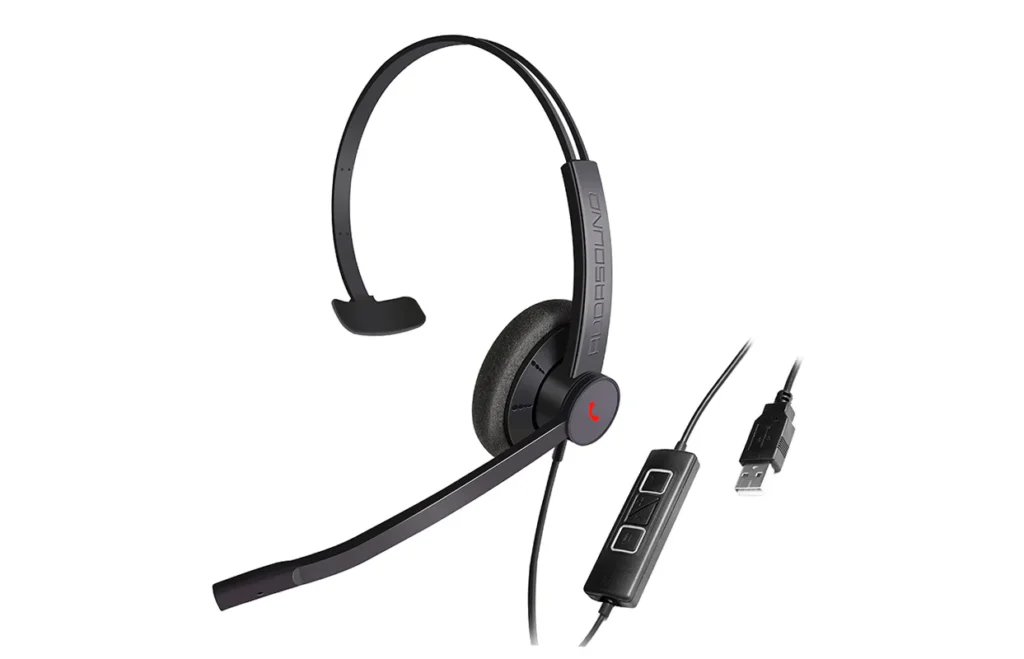
Professional call center headsets represent sophisticated devices engineered specifically for the demanding requirements of high-volume customer service environments. Unlike consumer-grade headphones designed for personal entertainment, professional call center headsets incorporate specialized features addressing unique contact center challenges: extended-wear comfort accommodating 8-10 hour shifts, advanced noise-cancellation technology filtering background office noise, superior microphone design ensuring customer voice clarity, multi-platform compatibility supporting diverse phone systems, and construction quality ensuring longevity in intensive daily use environments.
The engineering sophistication distinguishing professional call center headsets becomes apparent through examination of component specifications. Premium audio drivers deliver full-frequency response enabling agents to detect subtle voice nuances affecting customer interactions. Advanced microphone arrays capture voice with exceptional clarity while actively filtering background noise through sophisticated algorithms. Lightweight ergonomic designs with breathable ear cushioning distribute weight evenly across head and ears, minimizing physical strain during extended wear. Reinforced stitching, high-grade connectors, and durable materials ensure equipment withstands thousands of hours of daily use without degradation.
Critical Performance Characteristics of Quality Call Center Headsets
Effective call center headsets must deliver across multiple performance dimensions simultaneously. Audio clarity represents the fundamental requirement—both agents and customers must perceive voice communication with exceptional clarity enabling rapid information exchange without repetition or clarification requests. This clarity directly impacts call handling time, reducing unnecessary conversations and enabling faster problem resolution.
Noise-cancellation capability proves equally critical in office environments where numerous conversations, background activities, and ambient noise create challenging acoustic conditions. Advanced noise-cancellation algorithms identify and filter unwanted sound while preserving voice frequencies, enabling agents to concentrate on customer interactions without distraction. This focus improvement reduces errors, improves customer interactions, and enables longer productive shifts without cognitive fatigue.
Comfort represents essential performance characteristic often underestimated by procurement professionals. Agents wearing uncomfortable headsets experience physical strain, reduced focus, and early fatigue affecting performance throughout shifts. Professional call center headsets distribute weight evenly, incorporate padded ear cups with breathable materials, include adjustable headbands, and feature lightweight designs preventing neck and shoulder pain. This comfort investment directly translates to improved agent retention, reduced absenteeism, and better quality customer interactions.
Durability and reliability ensure equipment performs consistently throughout years of intensive use. Professional call center headsets employ premium materials, reinforced construction, and quality components surviving thousands of hours of daily wear without failure. This durability reduces replacement frequency, lowers total cost of ownership, and ensures reliable operations without equipment-related disruptions.
Call Center Headsets in Karachi: Meeting Pakistan’s Financial Hub’s Demanding Requirements
Karachi’s Strategic Importance as Pakistan’s Call Center Hub
Karachi, as Pakistan’s largest metropolitan area and primary financial center, hosts the nation’s most substantial and sophisticated call center operations. The city’s geographic position, developed infrastructure, skilled workforce availability, and established business ecosystem have attracted international BPO companies, multinational service providers, and local enterprises establishing massive contact centers. Karachi’s call centers handle millions of customer interactions daily for banking institutions, telecommunications companies, e-commerce platforms, financial services, insurance companies, and numerous other sectors.
The scale and complexity of Karachi’s call center operations create unique equipment requirements. Contact centers processing 100,000+ calls daily experience sustained acoustic environments where dozens of simultaneous conversations create intense background noise. Agents working in such environments require headsets with superior noise-cancellation delivering exceptional clarity despite overwhelming acoustic challenges. The constant high-volume operations subject equipment to intensive wear, necessitating professional-grade durability ensuring reliable performance without frequent replacement.
Specific Challenges of Karachi’s Call Center Environment
Karachi’s climate represents a significant consideration often overlooked in equipment procurement decisions. The city’s hot, humid environment with temperature variations can affect equipment performance and longevity. Professional call center headsets deployed in Karachi must incorporate heat-resistant materials, moisture-resistant designs, and components engineered for tropical climate conditions. Equipment not designed for such conditions experiences accelerated deterioration, shortened lifespan, and performance degradation affecting agent and customer experiences.
The urban acoustic environment of Karachi—with continuous traffic noise, construction activities, and dense urban congestion—creates challenging audio conditions even within office environments. Call center headsets in Karachi must incorporate advanced noise-cancellation technology specifically calibrated for urban noise profiles including vehicle traffic, construction equipment, and ambient urban sound. Standard noise-cancellation designed for quieter environments proves inadequate for Karachi’s acoustic challenges.
The diverse customer base served by Karachi’s contact centers—spanning local customers, regional users, and international callers—requires communication equipment supporting multiple languages, accents, and communication styles. Professional call center headsets in Karachi must deliver consistent audio clarity across diverse voice characteristics, preventing miscommunication and ensuring positive customer experiences regardless of linguistic backgrounds.
Professional Requirements for Karachi Call Centers
Enterprises operating substantial contact centers in Karachi recognize that communication equipment represents mission-critical infrastructure directly impacting operational success. Financial institutions managing critical customer transactions require headset reliability and audio clarity enabling accurate information exchange without errors. Telecommunications companies handling complaint resolution demand equipment supporting extended customer interactions with consistent comfort and clarity. E-commerce platforms processing order modifications require rapid communication without repetition.
These demanding requirements mean call center headsets in Karachi must exceed standard specifications. Multi-line support enabling agents to monitor multiple calls simultaneously, advanced call routing integration, wireless connectivity options for flexible agent positioning, and sophisticated ergonomic design accommodating cultural preferences all become essential specifications. Professional organizations in Karachi increasingly specify equipment meeting international quality standards rather than accepting domestic alternatives.
The competitive intensity of Karachi’s call center market drives continuous equipment upgrades. Organizations investing in premium call center headsets in Karachi gain measurable advantages in service quality, customer satisfaction, and operational efficiency compared to competitors relying on budget alternatives. This competitive dynamic ensures that leading Karachi call centers continuously upgrade communication infrastructure maintaining technical leadership.
Market Dynamics and Headset Deployment Patterns in Karachi
Karachi’s call center market encompasses diverse organizational types each with specific equipment requirements. Large multinational BPO operations serving international clients require equipment meeting global quality standards, often specifying premium brands recognized worldwide. Mid-size service providers serving regional and national markets seek balanced solutions combining professional quality with cost-effectiveness. Emerging startups and smaller operations attempt cost minimization while maintaining minimum service standards.
The diversity creates dynamic market supporting equipment across price and quality spectrums. However, increasingly, even cost-conscious organizations recognize that premium headset investments deliver superior long-term value through reduced replacement frequency, improved agent retention, and enhanced operational metrics. This recognition has driven consolidation toward mid-premium and premium segments in Karachi’s market.
Procurement practices in Karachi’s call centers increasingly emphasize relationship-based procurement with trusted providers offering equipment, professional installation, comprehensive training, and ongoing technical support. Organizations recognize that headset selection requires expertise understanding Karachi’s specific requirements, local climate considerations, operational demands, and technical specifications ensuring optimal outcomes.
Call Center Headsets in Lahore: Supporting the IT Capital’s Technology-Driven Service Sector
Lahore’s Emergence as Pakistan’s Technology and Service Hub
Lahore has established itself as Pakistan’s technology epicenter, hosting the nation’s largest concentration of IT companies, software development firms, technology-enabled service providers, and knowledge-based enterprises. The city’s status as center for technology innovation, software development, business process outsourcing, and digital services creates distinctive call center environment emphasizing technological sophistication, rapid innovation, and modern operational practices.
Lahore’s call centers increasingly focus on technology-intensive services including technical support, software troubleshooting, digital service delivery, and knowledge-based customer support. These specialized services demand communication equipment enabling rapid technical explanation, clear instruction delivery, and seamless integration with digital platforms and remote assistance tools. The technological orientation of Lahore’s service sector creates unique equipment requirements distinct from Karachi’s general-service call centers.
Technology Integration and Equipment Requirements in Lahore
Lahore’s call centers increasingly operate as integrated technology ecosystems combining voice communication with digital channels, customer relationship management platforms, knowledge management systems, and cloud-based applications. Professional call center headsets in Lahore must seamlessly integrate with such technology environments, supporting simultaneous voice and digital interaction without compromising audio quality or user experience.
The sophistication of Lahore’s technology infrastructure enables advanced headset capabilities unavailable in less-developed environments. Wireless headsets with Bluetooth connectivity enable agent mobility, facilitating modern office layouts emphasizing flexibility and collaborative work environments. Integration with unified communication platforms enables seamless transitions between voice calls, video conferencing, and digital chat. Presence awareness systems linked to headsets enable efficient team coordination and customer routing.
Advanced features become practical necessities rather than luxuries for technology-forward Lahore organizations. Call recording integration enables quality assurance and training. Analytics integration provides real-time performance monitoring. Mobile device support enables hybrid work arrangements increasingly common among technology companies. These sophisticated capabilities position Lahore’s call centers among Pakistan’s most advanced in terms of communication technology deployment.
Remote Work and Hybrid Operations in Lahore’s Call Centers
Lahore’s technology companies pioneered remote work arrangements and hybrid operational models in Pakistan, with call center functions increasingly distributed across office and home-based agents. This operational evolution requires call center headsets supporting reliable performance in diverse environments—busy office settings, home offices, shared workspaces, and mobile scenarios. Equipment must deliver consistent audio quality regardless of acoustic environment, maintain secure connections for sensitive conversations, and support flexible connectivity options.
Professional call center headsets in Lahore increasingly feature wireless connectivity with excellent range, reliable connectivity in challenging RF environments, USB connectivity supporting various computer configurations, and mobile device support enabling tablet and smartphone operation. These flexible connectivity options enable Lahore organizations to support diverse work arrangements without equipment limitations.
The remote work trend also influences comfort and aesthetic considerations. Home-based agents appreciate professional appearance, lightweight designs enabling extended comfort, and equipment not creating noise concerns for household members. Modern call center headsets in Lahore must balance professional functionality with design considerations addressing hybrid work requirements.
Quality Standards and International Integration in Lahore
Lahore’s call centers increasingly operate as integral components of global service delivery networks, supporting multinational corporations and international clients with operations spanning multiple countries and time zones. This international integration requires communication equipment meeting global quality standards, enabling seamless service delivery across geographies, and supporting international collaboration.
Many Lahore-based call centers procure equipment meeting international certifications, quality standards, and performance specifications exceeding Pakistani regulatory requirements. These quality commitments reflect organizational recognition that equipment reliability and performance directly impact client satisfaction and international reputation. Premium international brands compete alongside quality domestic providers for Lahore’s professional call center market.
The international orientation of Lahore’s service sector also influences linguistic and cultural considerations. Call centers supporting global customers require equipment enabling clear communication with diverse accents, language backgrounds, and communication styles. The city’s bilingual and multilingual capabilities demand headsets maintaining clarity across linguistic variations, preventing miscommunication undermining customer relationships.
Comparative Analysis: Call Center Requirements in Karachi vs. Lahore
Operational Scale and Complexity Differences
Karachi’s call centers emphasize operational scale, with massive contact centers processing extraordinary call volumes serving diverse customer bases across multiple sectors. The city’s largest call centers employ thousands of agents, operate 24/7 across multiple shifts, and handle millions of interactions monthly. This massive scale creates infrastructure challenges including acoustic management in enormous facilities, logistics supporting thousands of equipment units, and training programs accommodating large workforces.
Lahore’s call centers, while substantial, typically emphasize sophistication and specialization over sheer scale. Rather than massive general-service call centers, Lahore features specialized operations focused on technology support, knowledge-based services, and technical problem-solving. These operations employ smaller but highly skilled workforces, emphasize agent training and technical expertise, and prioritize communication quality over transaction volume.
This difference in operational philosophy influences equipment selection. Karachi organizations seek rugged, reliable equipment handling intense use with minimal maintenance. Lahore organizations seek sophisticated equipment integrating advanced features, supporting technology platforms, and enabling specialized service delivery. These different requirements justify different equipment selections optimized for each city’s operational characteristics.
Geographic and Climate Considerations
Karachi’s coastal location, intense heat, high humidity, and tropical weather create environmental challenges for electronic equipment. The city experiences temperature extremes, humidity variations, salt air corrosion, and weather volatility affecting equipment durability. Professional call center headsets in Karachi must incorporate materials and designs accommodating tropical climate challenges, preventing premature deterioration despite environmental stress.
Lahore’s more temperate climate presents different challenges. The city experiences seasonal variations with hot summers, mild winters, and periodic heavy rainfall. However, the climate proves less extreme than coastal Karachi. Equipment requirements emphasize performance consistency across seasonal variations rather than constant environmental stress management. This difference influences material selection, construction approaches, and maintenance requirements.
The geographic distinction also affects logistics and supply chain considerations. Karachi’s major port facilities and established import infrastructure enable ready access to international equipment brands and suppliers. Lahore’s distance from primary import points and reliance on Karachi-based distribution create different availability patterns and cost structures influencing equipment selection decisions.
Market Structure and Procurement Practices
Karachi’s call center market features well-established procurement relationships with major international equipment suppliers, established local dealers, and professional service providers offering comprehensive solutions. The mature market structure supports competitive pricing, extensive product selection, and professional-grade service including installation, training, and support.
Lahore’s call center market, while growing rapidly, features less established procurement infrastructure. Technology companies often source equipment directly from international suppliers, emphasizing specific features and quality standards rather than relying on local dealer recommendations. The more technically sophisticated customer base in Lahore proves less accepting of generic solutions, instead demanding customized approaches addressing specific requirements.
This procurement difference influences successful sales approaches and marketing strategies for equipment providers. Karachi emphasizes relationship-based sales with established dealers and professional service providers. Lahore emphasizes direct relationships with procurement professionals, emphasis on technical specifications, and integration support for technology platforms.
Pricing and Investment Considerations
Karachi’s massive call center operations create economies of scale enabling significant equipment procurement volumes. Organizations placing bulk orders for thousands of headsets negotiate favorable pricing reflecting volume discounts and competitive supplier interest. The large procurement volumes create market dynamics favoring established suppliers with strong supply chain capabilities.
Lahore’s typically smaller individual operations enable flexibility in equipment selection but reduce bulk purchasing advantages. Organizations seeking specialized equipment meeting specific requirements often accept premium pricing for features addressing their particular needs. The smaller transaction sizes compared to Karachi operations influence supplier selection and pricing strategies.
The financial investment required for call center headsets in Karachi—potentially spanning multiple thousands of units—demands rigorous cost-benefit analysis, total cost of ownership calculations, and careful supplier selection. Organizations invest substantial capital in communication infrastructure, justifying careful evaluation of options and long-term supplier relationships.
Lahore organizations, while making smaller individual investments, emphasize integration with technology infrastructure and support for advanced features justifying premium equipment pricing. Cost represents a consideration but not the primary decision factor for many Lahore organizations prioritizing functionality and compatibility with technology platforms.
The Next Gen Technologies: Your Premier Call Center Headset Solution Provider
Company Overview and Market Position
The Next Gen Technologies stands as the top company providing professional call center headsets throughout Pakistan, with particular expertise serving Karachi’s massive contact center operations and Lahore’s technology-driven service sector. With years of experience, proven track record serving hundreds of organizations, and unwavering commitment to customer satisfaction, The Next Gen Technologies has established itself as the trusted partner for enterprises seeking communication equipment solutions transforming contact center excellence.
Our market position reflects deep expertise across multiple dimensions. We maintain relationships with leading international headset manufacturers ensuring access to premium equipment meeting global quality standards. We employ technical specialists understanding call center requirements across diverse sectors and organizational sizes. We maintain inventory supporting rapid deployment enabling organizations to quickly scale operations or replace equipment. We provide professional services including needs assessment, equipment selection, installation, training, and ongoing support ensuring successful implementations.
Specialized Services for Karachi Call Centers
Understanding Karachi’s distinctive requirements, The Next Gen Technologies provides specialized services addressing the city’s unique call center environment. Our Karachi operations emphasize equipment selection for high-volume, intense-use environments, understanding of tropical climate equipment requirements, experience with Karachi’s major contact center operations, and local presence enabling rapid response and support.
We maintain strategic relationships with Karachi’s major call center operators, understanding their evolving requirements, supporting equipment replacements and upgrades, and providing technical expertise addressing operational challenges. Our Karachi team understands the city’s acoustic environment, climate considerations, and operational demands requiring specialized expertise.
We offer specialized equipment configurations optimized for Karachi’s requirements: noise-cancellation tuned for urban acoustic profiles, materials selected for tropical climate durability, construction emphasis on intensive-use reliability, and integration supporting Karachi’s established phone systems and communication platforms. These Karachi-specific optimizations ensure equipment performs optimally in the city’s particular environment.
Our Karachi services extend beyond equipment provision to encompassing comprehensive support. We conduct facility acoustic surveys identifying environmental challenges. We provide installation support ensuring proper equipment positioning and configuration. We offer extensive training enabling agents to optimize equipment capabilities. We provide ongoing maintenance and technical support maintaining peak performance.
Specialized Services for Lahore Call Centers
The Next Gen Technologies equally emphasizes Lahore’s distinctive requirements, providing specialized services addressing the city’s technology-driven service sector. Our Lahore operations emphasize sophisticated equipment integrating advanced features, support for technology platform integration, technical expertise addressing specialized service requirements, and partnership with Lahore’s knowledge-based enterprises.
We maintain relationships with Lahore’s technology companies and sophisticated call centers, understanding their unique requirements, supporting advanced capability deployment, and providing technical expertise enabling technology integration. Our Lahore team understands the city’s technological orientation, demand for feature-rich equipment, and emphasis on performance integration with digital platforms.
We offer specialized equipment supporting Lahore’s advanced operational requirements: wireless connectivity enabling flexible agent positioning, integration with unified communication platforms, support for remote work and hybrid operations, advanced feature sets supporting technology-intensive service delivery. These Lahore-specific optimizations ensure equipment supports the city’s sophisticated operational environments.
Our Lahore services emphasize technical integration and advanced capability deployment. We conduct requirements analysis understanding specific technology integration needs. We provide configuration support ensuring seamless integration with existing platforms. We offer technical training addressing advanced feature utilization. We provide ongoing optimization ensuring continuous alignment with evolving technology requirements.
Comprehensive Service Portfolio
The Next Gen Technologies provides comprehensive services spanning the entire equipment lifecycle:
Needs Assessment and Planning: Our specialists conduct detailed analysis of organizational requirements, operational environment, specific challenges, and performance objectives. This assessment informs equipment selection ensuring optimal solutions addressing real needs rather than generic alternatives.
Equipment Selection: We maintain extensive knowledge of available options, understanding specifications, performance characteristics, pricing, and suitability for different scenarios. We provide objective recommendations addressing specific requirements, explaining trade-offs, and clarifying feature value propositions.
Professional Installation: Our technicians ensure proper equipment setup, positioning, and configuration optimizing performance. Professional installation prevents common configuration errors affecting audio quality and comfort.
Comprehensive Training: We provide detailed training enabling agents and supervisors to maximize equipment capabilities, understand advanced features, address common issues, and optimize performance. Training ensures organizations achieve full value from equipment investments.
Ongoing Support: We provide responsive technical support addressing questions, troubleshooting issues, and ensuring optimal performance. Our support team maintains equipment through preventive maintenance, replacement services, and continuous optimization.
At thenextgentechnologies.com
We invite you to explore our complete range of call center headset solutions at thenextgentechnologies.com. Our website provides comprehensive product information, detailed specifications, customer testimonials, case studies, and service descriptions. Contact our specialists to discuss your specific requirements, receive personalized recommendations, and learn how professional communication equipment can transform your contact center excellence.
We specialize in:
- Premium call center headsets for Karachi operations
- Sophisticated call center headsets for Lahore requirements
- Complete needs assessment and solution design services
- Professional installation and commissioning services
- Comprehensive training and onboarding programs
- Ongoing technical support and maintenance services
- Equipment replacement and upgrade programs
- Flexible financing and leasing options
- Volume procurement support
- Multi-location deployment coordination
Best Practices for Call Center Headset Selection and Deployment
Conducting Organizational Needs Assessment
Effective equipment selection begins with thorough organizational needs assessment understanding specific requirements, operational environment, performance objectives, and budget constraints. This assessment informs procurement decisions ensuring appropriate solutions rather than over-specification or under-specification.
Assessment should address multiple dimensions: operational environment characteristics including noise levels, acoustic conditions, physical space constraints, and environmental factors; operational requirements including call volume, shift duration, specialization levels, and technical demands; agent characteristics including tenure, training levels, comfort preferences, and physical considerations; technology environment including phone systems, communication platforms, CRM integration, and digital channels; performance objectives including quality metrics, efficiency targets, and customer satisfaction goals; budget constraints and total cost of ownership considerations.
Organizations should involve multiple stakeholder groups in needs assessment: call center management providing operational perspective, agents offering frontline experience regarding comfort and functionality, technical staff understanding system integration requirements, procurement professionals addressing cost and supplier considerations. Diverse perspectives ensure comprehensive assessment addressing all relevant factors.
Evaluation Criteria and Selection Framework
Systematic evaluation frameworks ensure objective equipment selection balancing multiple factors. Evaluation should consider multiple criteria with weighted importance reflecting organizational priorities:
Audio Quality: Superior microphone design and speaker performance enabling clear communication essential for customer interactions. Evaluation should address microphone pickup patterns, noise-cancellation effectiveness, frequency response, and overall clarity across diverse voice characteristics.
Comfort and Ergonomics: Extended-wear comfort critical for agent satisfaction and performance. Evaluation should address weight distribution, ear cup design, headband adjustment, breathable materials, and padding thickness determining comfort during 8-10 hour shifts.
Noise-Cancellation Performance: Effectiveness filtering background noise enabling agent concentration. Evaluation should address noise-cancellation algorithms, effectiveness across frequency ranges, stability under varying acoustic conditions, and user control enabling customization.
Durability and Reliability: Construction quality and material selection determining equipment lifespan and maintenance requirements. Evaluation should address component quality, stitching reinforcement, connector robustness, and material durability under intensive use.
Feature Functionality: Advanced capabilities supporting operational requirements including wireless connectivity, multi-device support, call recording integration, and platform integration. Evaluation should address feature completeness, practical utility for specific applications, and integration maturity.
Integration Capability: Seamless compatibility with existing systems and platforms. Evaluation should address compatibility with phone systems, CRM platforms, communication software, and emerging technologies enabling long-term platform evolution.
Cost and Total Cost of Ownership: Initial equipment cost, maintenance requirements, replacement frequency, and support expenses. Evaluation should address comprehensive lifetime costs rather than initial purchase price alone.
Procurement Strategy and Supplier Selection
Strategic procurement approaches ensure optimal outcomes beyond simple price comparison. Organizations should consider multiple factors in supplier selection:
Technical Expertise: Supplier understanding of specific requirements, operational environment, technology integration, and performance optimization. Expertise enables personalized solutions addressing real needs rather than generic approaches.
Service Capability: Professional installation, comprehensive training, ongoing technical support, and maintenance services ensuring successful implementation and sustained performance.
Product Quality: Equipment reliability, audio performance, comfort design, and durability meeting professional standards. Supplier commitment to quality assurance and customer satisfaction.
Financial Flexibility: Favorable payment terms, volume discounts, leasing options, and financing support enabling cost-effective procurement. Suppliers offering flexible arrangements accommodating organizational cash flow and budgeting requirements.
Relationship Orientation: Partnership approach emphasizing long-term customer success rather than transactional focus. Suppliers committed to understanding evolving requirements, supporting equipment upgrades, and continuous improvement.
Effective procurement involves competitive evaluation comparing multiple suppliers on relevant criteria while recognizing that lowest price frequently represents false economy. Organizations should seek balanced suppliers offering quality equipment, professional services, fair pricing, and relationship commitment.
Implementation and Deployment Best Practices
Successful equipment deployment extends beyond procurement to encompassing thoughtful implementation ensuring optimal adoption and utilization. Best practices include:
Phased Deployment: Implementing equipment across departments or time periods rather than organization-wide simultaneously. Phased deployment enables learning incorporation, issue resolution, and optimization before organization-wide rollout.
Pilot Programs: Deploying equipment with volunteer agents before organization-wide implementation. Pilot experiences inform optimization, identify unforeseen issues, and build internal advocates supporting broader adoption.
Comprehensive Training: Thorough agent training ensuring understanding of equipment capabilities, optimal use practices, and advanced features. Training should address basic operation, comfort optimization, troubleshooting common issues, and feature utilization maximizing equipment value.
Supervisor Support: Training supervisors and team leads enabling them to provide frontline support, troubleshoot issues, and optimize agent utilization. Supervisor expertise proves critical for sustained success during transition periods.
Performance Monitoring: Tracking performance metrics during transition periods identifying positive impacts and addressing emerging issues. Monitoring informs optimization ensuring sustained performance improvements.
Feedback Incorporation: Actively soliciting agent and supervisor feedback regarding equipment performance, comfort, functionality, and suggestions for improvement. Feedback enables refinement addressing identified concerns.
Documentation and Standards: Establishing clear policies and procedures regarding equipment use, maintenance, replacement, and troubleshooting. Documentation ensures consistent practices supporting optimal performance.
Advanced Topics in Call Center Headset Technology
Noise-Cancellation Technology: Evolution and Effectiveness
Noise-cancellation represents critical capability for modern call center headsets, utilizing sophisticated algorithms and hardware to identify and filter unwanted sound while preserving voice frequencies. Understanding noise-cancellation technology enables informed evaluation of equipment capabilities.
Passive Noise Isolation: Physical design isolating ears from external sound through ear cup design and materials. Passive isolation provides foundation for noise reduction but proves insufficient for intense call center environments. Effective passive isolation requires proper ear cup fit and seal, necessitating sizing options accommodating diverse ear geometries.
Active Noise Cancellation: Electronic systems employing microphones detecting background noise, generating inverted sound waves canceling unwanted noise. Sophisticated algorithms analyze acoustic conditions in real-time, adapting noise-cancellation parameters to changing environments. Modern active noise-cancellation algorithms address multiple frequency ranges simultaneously, providing effectiveness across diverse noise profiles.
Microphone Technology: Advanced microphone arrays employ multiple microphone elements capturing voice from different directions while identifying and filtering off-axis noise. Directional microphone designs emphasize voice capture from mouth position while rejecting background noise from other directions. Sophisticated processing combines multiple microphone signals identifying voice components while filtering noise.
Frequency Response Management: Advanced systems maintain voice frequency clarity while suppressing noise outside voice frequency ranges. Understanding noise profiles enables optimization for specific acoustic environments. Call center environments with particular noise characteristics benefit from noise-cancellation tuned for prevalent noise types.
Wireless Technology and Connectivity Options
Modern call center headsets increasingly incorporate wireless connectivity enabling agent mobility, flexible positioning, and seamless integration with diverse devices. Understanding wireless technologies informs equipment selection:
Bluetooth Connectivity: Wireless standard enabling connection to computers, phones, and tablets. Bluetooth range typically extends 10+ meters enabling agent movement within office spaces. Modern Bluetooth implementations provide excellent audio quality, reliable connectivity, and low latency suitable for real-time voice communication.
DECT Technology: Digital Enhanced Cordless Telecommunications providing professional-grade wireless specifically designed for voice communication. DECT provides excellent range, reliable performance, and dedicated spectrum avoiding interference from consumer Bluetooth devices. DECT remains dominant in professional call center environments where reliability proves paramount.
Dual Connectivity: Modern headsets increasingly support simultaneous connection to multiple devices enabling seamless switching between computers, phones, and tablets. Dual connectivity enables flexible work arrangements where agents interact with multiple systems simultaneously.
Battery Technology: Wireless headsets employ rechargeable batteries requiring regular charging cycles. Modern lithium-ion batteries provide extended operating duration enabling full-shift operation without charging. Battery management systems optimize longevity and performance. Organizations should evaluate battery life ensuring devices sustain full-shift operation.
Integration with Modern Communication Platforms
Contemporary call centers increasingly employ unified communication platforms integrating voice, video, chat, and email. Modern headsets require seamless integration with such platforms enabling optimal performance across communication channels.
VoIP Integration: Native support for VoIP platforms enabling voice communication through internet connections. VoIP integration requires compatibility with softphone applications and proper codec support ensuring audio quality across diverse network conditions.
Video Conferencing Support: Many call center operations incorporate video communication requiring headset compatibility with video conferencing platforms. Proper video integration ensures audio quality during video calls while supporting video application operation.
CRM Platform Integration: Many advanced headsets integrate with CRM systems enabling automatic call logging, customer information display, and interaction recording. Integration automation reduces manual effort and improves accuracy.
Unified Communications: Emerging unified communication platforms integrate multiple communication channels enabling agents to communicate through preferred channels while maintaining consistent experiences. Headset integration with unified communication platforms enables seamless channel switching without equipment changes.
Industry-Specific Applications and Customizations
Financial Services Call Centers
Banking, insurance, and financial services call centers handle sensitive transactions requiring exceptional clarity and security. Professional headsets must provide pristine audio quality enabling accurate information exchange regarding account details, transaction specifications, and financial decisions. Enhanced privacy features may be required protecting sensitive financial information. Organizations must verify equipment compliance with financial industry standards and regulatory requirements.
Telecommunications Customer Support
Telecommunications companies operate some of Pakistan’s largest call centers handling billing inquiries, technical support, service changes, and complaint resolution. Headsets must support intensive use, accommodate extended call duration, and provide superior clarity for technical communication. Integration with telecommunications platforms enables enhanced functionality supporting technical troubleshooting.
E-Commerce and Retail Operations
E-commerce and retail call centers handle order processing, returns, inquiries, and customer service requiring rapid interaction completion and positive customer experience. Headsets must support brief, efficient calls while maintaining customer satisfaction. Comfort during extended shift wear proves critical given intensive call volume.
Healthcare and Medical Services
Healthcare call centers handle sensitive medical information requiring HIPAA compliance and privacy protection. Headsets must provide excellent clarity enabling accurate medical information communication, support for specialized terminology, and features protecting patient privacy. Integration with healthcare IT systems may be required.
Technology Support and Software Services
Technology companies operate specialized call centers handling technical troubleshooting, software support, and integration assistance. Headsets must integrate with technology platforms, support advanced features, enable clear technical explanation, and accommodate technically sophisticated users. Equipment should support remote assistance tools and knowledge base integration.
Government and Public Services
Government call centers handle citizen inquiries, service requests, and administrative processes. Headsets must support high-volume operations, accommodate diverse caller backgrounds, and provide professional experiences reflecting government commitment to citizen service. Compliance with government procurement standards may apply.
Performance Metrics and Success Measurement
Key Performance Indicators for Call Center Operations
Organizations should track multiple metrics assessing communication equipment impact on overall performance:
Average Handling Time (AHT): Average duration of customer interactions. Superior audio clarity enabling rapid information exchange and reduced clarification requests decreases AHT improving efficiency.
First Contact Resolution (FCR): Percentage of interactions resolved during initial contact without requiring follow-up calls. Clear communication and agent comfort improving focus increase FCR rates.
Customer Satisfaction (CSAT): Customer satisfaction metrics reflecting positive experiences. Professional communication equipment contributing to superior experiences improves satisfaction ratings.
Agent Satisfaction: Employee satisfaction regarding equipment, working conditions, and overall experience. Comfortable, high-quality headsets improve agent satisfaction and retention.
Call Quality Scores: Quality assurance assessments measuring interaction quality, professionalism, and customer satisfaction. Superior audio quality and agent comfort improve quality metrics.
Equipment Uptime: Reliability and availability of functioning equipment. Professional-grade equipment maintains higher uptime compared to budget alternatives.
Total Cost of Ownership: Comprehensive cost including procurement, maintenance, replacement, and support. Professional equipment delivering longer lifespan and lower maintenance often provides superior TCO despite higher initial cost.
Conducting Effectiveness Assessments
Organizations should regularly assess communication equipment effectiveness ensuring continued optimal performance:
Performance Baseline Establishment: Establish baseline metrics before equipment deployment enabling comparison with performance after implementation. Baseline comparison quantifies equipment impact.
Post-Implementation Assessment: Evaluate performance metrics 2-4 weeks after deployment measuring initial impact. Early assessment identifies issues requiring adjustment.
Sustained Performance Monitoring: Continuous monitoring ensures equipment continues delivering expected performance throughout operational lifespan. Sustained monitoring identifies degradation requiring maintenance or replacement.
Agent Feedback Collection: Systematically collect agent feedback regarding comfort, functionality, audio quality, and suggestions for improvement. Agent feedback provides frontline perspective on equipment performance.
Benchmarking Comparisons: Compare organizational performance metrics with industry benchmarks identifying comparative positions. Benchmarking helps contextualize performance improvements and identify remaining optimization opportunities.
Return on Investment Calculation
Organizations should calculate ROI from communication equipment investments demonstrating business value:
Cost Quantification: Calculate comprehensive equipment costs including procurement, installation, training, maintenance, support, and replacement.
Benefit Quantification: Quantify improvements resulting from equipment deployment including AHT reduction, FCR improvement, CSAT improvement, agent retention improvement, and reduced equipment replacement.
Timeframe Definition: Define realistic timeframes for ROI realization typically spanning 12-24 months as agents adjust to new equipment and operational improvements accumulate.
ROI Calculation: Calculate ROI as (Benefits – Costs) / Costs * 100. Positive ROI demonstrates business case supporting equipment investment.
Sensitivity Analysis: Assess ROI sensitivity to different assumptions identifying key value drivers and risk factors. Sensitivity analysis provides confidence in ROI projections.
Conclusion: Transforming Call Center Excellence Through Professional Communication Equipment
Call center headsets represent far more than telephone accessories—they constitute critical infrastructure directly impacting customer satisfaction, agent performance, and organizational success. Professional call center headsets in Karachi and Lahore enable organizations to deliver superior customer experiences, operate with enhanced efficiency, and achieve competitive advantages in increasingly demanding markets.
Karachi’s massive call center operations require robust, reliable equipment accommodating intensive use, tropical climate challenges, and high-volume acoustic environments. Organizations investing in professional call center headsets in Karachi establish communication infrastructure supporting superior operational performance and customer satisfaction.
Lahore’s technology-driven service sector requires sophisticated equipment integrating advanced features, supporting technology platforms, and enabling specialized service delivery. Organizations investing in professional call center headsets in Lahore establish communication infrastructure enabling differentiated service delivery and competitive positioning.
The Next Gen Technologies stands ready to partner with organizations seeking professional communication equipment solutions. Our expertise addressing Karachi and Lahore’s distinctive requirements, comprehensive service portfolio, commitment to customer success, and professional approach to implementation and support position us as ideal partner for call center excellence transformation.
Whether managing massive Karachi contact centers or technology-driven Lahore operations, professional communication equipment investments deliver measurable improvements in customer satisfaction, agent performance, and organizational success. Contact The Next Gen Technologies today to discuss your specific requirements, explore suitable solutions, and begin your transformation to communication excellence.
Frequently Asked Questions
1. What specific factors make call center headsets in Karachi different from those in Lahore, and how does The Next Gen Technologies address these differences?
Call center headsets in Karachi must address high-volume operations with intensive acoustic environments, tropical climate challenges, and large-scale deployment logistics. Equipment requires robust noise-cancellation tuned for urban acoustic profiles, heat and humidity-resistant materials, and construction emphasizing durability under intensive use. Call center headsets in Lahore must integrate with advanced technology platforms, support remote and hybrid work arrangements, and enable sophisticated feature functionality. Equipment requires wireless connectivity, platform integration, and advanced feature sets. The Next Gen Technologies addresses these differences through specialized equipment selection optimized for each city’s environment, customized configuration addressing specific requirements, and localized support services understanding each city’s distinctive characteristics. Our Karachi operations emphasize reliability and durability while our Lahore operations emphasize technology integration and advanced functionality.
2. How do professional call center headsets in these cities improve customer satisfaction and what metrics demonstrate this improvement?
Professional call center headsets improve customer satisfaction through superior audio clarity enabling clear communication without repetition or clarification, reduced call duration through efficient information exchange, and improved agent focus and professionalism resulting from comfortable equipment. Customer satisfaction improvements manifest in multiple metrics: Customer Satisfaction (CSAT) score increases of 5-15% following professional equipment deployment, First Contact Resolution improvements of 8-12% as agents communicate more effectively and confidently, Average Handling Time reductions of 10-20% as clearer communication eliminates repetition, and qualitative feedback expressing appreciation for professional service. Organizations can demonstrate these improvements through post-implementation assessment comparing metrics before and after equipment deployment, tracking CSAT scores from customer surveys, monitoring FCR rates from call center systems, and collecting agent feedback regarding perceived performance improvements.
3. What total cost of ownership should organizations expect for call center headsets, and how does The Next Gen Technologies support cost-effective procurement?
Total cost of ownership for professional call center headsets typically spans three years including initial equipment cost (20-30% of total), installation and training (10-15% of total), ongoing maintenance and support (25-35% of total), and replacement and upgrades (25-35% of total). Organizations should expect equipment costs ranging from Rs. 5,000-15,000 per unit for quality professional headsets depending on features and capabilities. The Next Gen Technologies supports cost-effective procurement through: accurate needs assessment ensuring appropriate rather than over-specification, transparent pricing and cost documentation, total cost of ownership analysis demonstrating long-term value beyond initial price, volume discounts for large deployments, flexible financing and leasing options, and comprehensive support services reducing lifecycle costs through optimal equipment performance and extended lifespan. Our approach emphasizes value delivery rather than lowest initial price.
4. How should organizations approach transitioning from existing call center headsets to new professional equipment, and what implementation support does The Next Gen Technologies provide?
Successful transition from existing equipment to new professional headsets should follow phased implementation enabling learning incorporation and optimization before organization-wide rollout. Implementation should include: detailed needs assessment understanding specific requirements and constraints; pilot deployment with volunteer agents identifying issues and building internal advocates; comprehensive agent training addressing equipment operation, comfort optimization, and feature utilization; supervisor training enabling frontline support and issue resolution; performance monitoring tracking metrics during transition; feedback collection and incorporation addressing identified concerns; and gradual rollout across remaining agents. The Next Gen Technologies provides comprehensive implementation support including detailed needs assessment and solution design; professional installation ensuring optimal equipment positioning and configuration; comprehensive training programs addressing basic operation, comfort optimization, advanced features, and troubleshooting; supervisor enablement training providing frontline support capabilities; performance monitoring and optimization services; ongoing technical support addressing questions and issues; and continuous improvement recommendations based on operational experience. Our implementation approach emphasizes successful adoption and sustained performance.
5. What role does The Next Gen Technologies play in ensuring long-term success of call center headset implementations in Karachi and Lahore?
The Next Gen Technologies supports long-term success through comprehensive services spanning the entire equipment lifecycle. We begin with thorough needs assessment ensuring appropriate solution selection addressing real organizational requirements. Professional installation ensures optimal equipment configuration maximizing performance. Comprehensive training enables agents and supervisors to utilize equipment effectively. Ongoing technical support provides responsive assistance addressing questions, troubleshooting issues, and maintaining optimal performance. Preventive maintenance programs ensure continued reliability and extended lifespan. Performance monitoring tracks equipment and operational effectiveness ensuring continued value delivery. Equipment upgrade and replacement support enables graceful equipment lifecycle progression. Financial flexibility through leasing and financing options supports long-term affordability. Partnership approach emphasizing customer success enables continuous alignment with evolving requirements. This comprehensive support ensures organizations achieve maximum value from communication equipment investments while maintaining sustained operational excellence. Contact The Next Gen Technologies to discuss your requirements and discover how we can support your call center excellence transformation.
Contact The Next Gen Technologies for Professional Call Center Solutions
For organizations in Karachi, Lahore, and throughout Pakistan seeking professional communication equipment solutions transforming call center excellence, The Next Gen Technologies stands ready to partner with your organization. Our extensive expertise, comprehensive service portfolio, commitment to customer success, and professional approach to implementation and support position us as ideal partner for your communication needs.
Visit thenextgentechnologies.com today to explore our complete range of call center headset solutions, read detailed product specifications, review customer testimonials and case studies, and contact our specialists to discuss your specific requirements. Let The Next Gen Technologies help you transform your contact center into a communication excellence powerhouse delivering superior customer experiences and operational performance.